

The psychology behind risk-taking in casino environments
The Thrill of Uncertainty
Risk-taking in casino environments is often driven by the thrill of uncertainty. The unpredictable nature of games such as poker or roulette captures the human psyche in a way that is both exciting and enticing. Players are drawn to the possibility of winning, often overlooking the odds stacked against them. This allure of uncertainty can create a rush, a feeling akin to an adrenaline high, which many find difficult to resist. Notably, Golden Tiger Casino exemplifies this captivating environment that allows players to escape from the mundane realities of everyday life.

Furthermore, the excitement generated by potential wins can lead to a phenomenon known as “loss chasing.” This occurs when players continue to gamble in hopes of recovering losses, spurred on by the emotional rollercoaster that gambling often provides. For many, the thrill of the chase becomes more important than the actual win, reinforcing the psychological need for risk-taking behavior. The environment of casinos amplifies this sensation, filled with flashing lights, sounds of coins, and a palpable sense of excitement that encourages players to take risks they might otherwise avoid.
The thrill of uncertainty can also be linked to dopamine release, a neurotransmitter associated with pleasure. When players engage in risky behavior, the brain rewards them with bursts of dopamine, reinforcing the behavior and creating a cycle of risk-taking that can be hard to break. This biochemical response is one reason why individuals may find themselves compelled to return to the casino, craving that euphoric feeling once again. The psychological dynamics at play in these environments are complex, revealing much about human behavior and decision-making.
The Role of Cognitive Biases
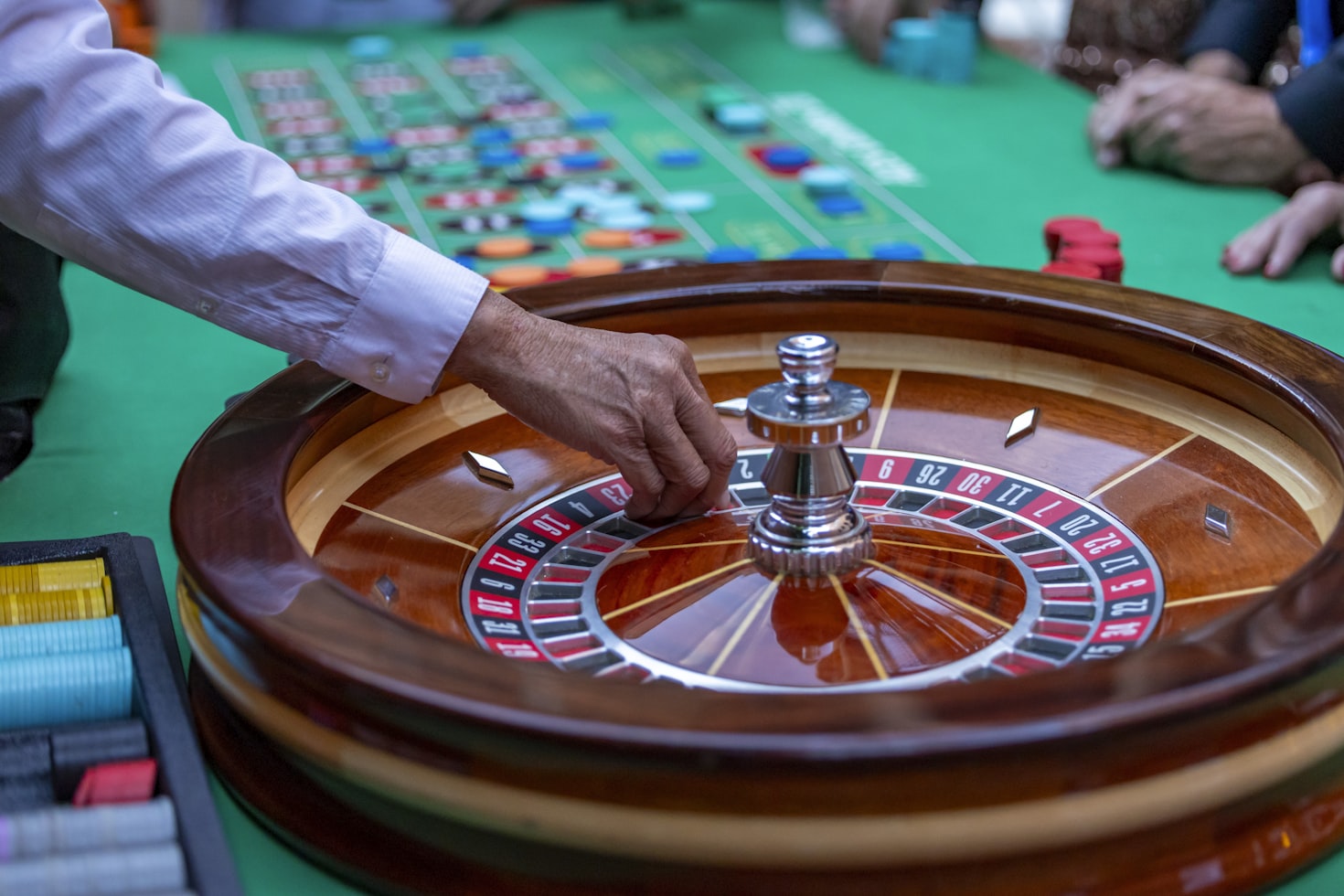
Cognitive biases significantly influence how individuals perceive risk in a casino setting. One common bias is the “gambler’s fallacy,” which leads players to believe that past outcomes affect future ones. For instance, if a roulette ball lands on red several times in a row, a player might feel that black is “due” to occur. This misconception can drive riskier bets, as players mistakenly believe they are using logic when, in reality, each spin is independent. Understanding cognitive biases is essential for grasping why people continue to take risks in gambling contexts.
Another prevalent bias is the “illusion of control,” where players believe they can influence the outcome of games based on their skill or strategies, even in luck-based games. This belief can lead to increased risk-taking, as individuals are more likely to wager larger amounts under the impression that they have a say in the outcome. Such cognitive distortions not only heighten the excitement of gambling but also reinforce the cycle of risk-taking, making it challenging for players to recognize the true nature of their choices.
Moreover, the “availability heuristic” can shape perceptions of risk in gambling environments. When players see big wins highlighted in advertisements or hear about friends’ successes, they tend to overestimate their chances of winning. This bias can create an exaggerated sense of confidence, encouraging individuals to take risks that they would otherwise deem unwise. Together, these cognitive biases paint a complex picture of how our minds navigate the risks associated with gambling, often leading to decisions that defy rationality.
The Social Dynamics of Gambling
Social dynamics also play a crucial role in risk-taking behavior in casinos. The communal atmosphere of a casino can create a sense of camaraderie among players, influencing them to take greater risks. When individuals witness others winning, it can trigger a herd mentality, where they are encouraged to participate in the same high-stakes actions. This social reinforcement can lead to increased betting and more reckless behaviors, as players feel the energy and excitement from those around them.
Group settings can also lead to a phenomenon known as “social facilitation,” where individuals perform better or take more risks in the presence of others. This effect may prompt players to make bolder moves than they would alone, driven by a desire to fit in or impress. The fear of missing out on potential excitement can cause individuals to engage in riskier bets, despite knowing the odds are against them. The social context of gambling is therefore instrumental in shaping risk-related decisions.
Additionally, the role of social validation cannot be overlooked. Many gamblers seek approval from peers, and winning can lead to heightened social status within certain groups. This pressure can compel individuals to take risks they might otherwise avoid, as they aim to maintain a certain image or reputation. This interplay between social dynamics and risk-taking behavior illustrates the multifaceted nature of gambling, highlighting how our interactions with others can significantly influence our decisions in the casino environment.
Implications of Risk-Taking Behavior
Understanding the psychology behind risk-taking in casinos has significant implications, particularly when considering responsible gambling practices. Awareness of cognitive biases and emotional triggers can help individuals become more mindful of their gambling behaviors. By recognizing the psychological factors that contribute to risk-taking, players can make more informed decisions and set limits to protect themselves from the potential pitfalls of gambling addiction.
Moreover, this knowledge can empower casinos and online gambling platforms to implement strategies that promote responsible gambling. Providing resources for players to manage their risk-taking behaviors, such as self-exclusion tools or educational material about cognitive biases, can create a safer gaming environment. By fostering awareness, casinos can play a role in mitigating the risks associated with gambling and promote healthier attitudes toward risk-taking.
Ultimately, the interplay between psychology and risk-taking in casinos underscores the need for ongoing research and education. As our understanding of these dynamics evolves, so too can the measures taken to safeguard players and promote a balanced approach to gambling. Emphasizing the importance of understanding the psychology behind risk can help foster a more responsible gambling culture in casino environments.
Exploring Golden Tiger Casino
Golden Tiger Casino exemplifies an online gaming platform that recognizes the importance of player safety and responsible gambling. With a wide array of games powered by industry-leading software, players can enjoy an immersive experience while being reminded of the need to gamble responsibly. The casino provides clear guidelines and resources to help players understand their own behavior, ensuring a balance between entertainment and risk.
The platform offers a range of promotions designed to engage both new and seasoned players while prioritizing fair play. Golden Tiger Casino’s commitment to player safety extends beyond just games; it actively encourages users to stay informed about their gambling habits. The presence of customer support representatives further enhances the overall gaming experience, as they are available to assist players in understanding the intricacies of their gaming choices.
Ultimately, Golden Tiger Casino serves as a model for how online gambling platforms can address the psychological aspects of risk-taking. By offering a secure and enjoyable environment while promoting responsible gaming practices, it contributes to a more sustainable approach to gambling. Players can enjoy a thrilling experience while being mindful of the psychological influences that impact their decisions, creating a well-rounded and fulfilling gaming journey.